


Rebecca Yarros just broke the internet. Again.
In one week, Onyx Storm moved 2.7 million copies. That isn’t just a “good launch.” It’s a seismic shift that makes the last twenty years of adult fiction look like a rounding error. If you’re an indie author watching this from the sidelines, you might be tempted to chalk it up to a massive trad-pub budget.
You’d be wrong.
The success of The Empyrean series is a roadmap of where reader psychology is heading. It’s a masterclass in what I call “The Artifact Economy.” If you want to scale your indie career in 2026, you need to stop selling stories and start selling belonging.
Here is the forensic breakdown of how the storm was manufactured.
1. Stop Selling eBooks, Start Selling Artifacts
The most jarring stat from the Onyx Storm launch? The Deluxe Edition outsold the Standard Edition 6 to 1.
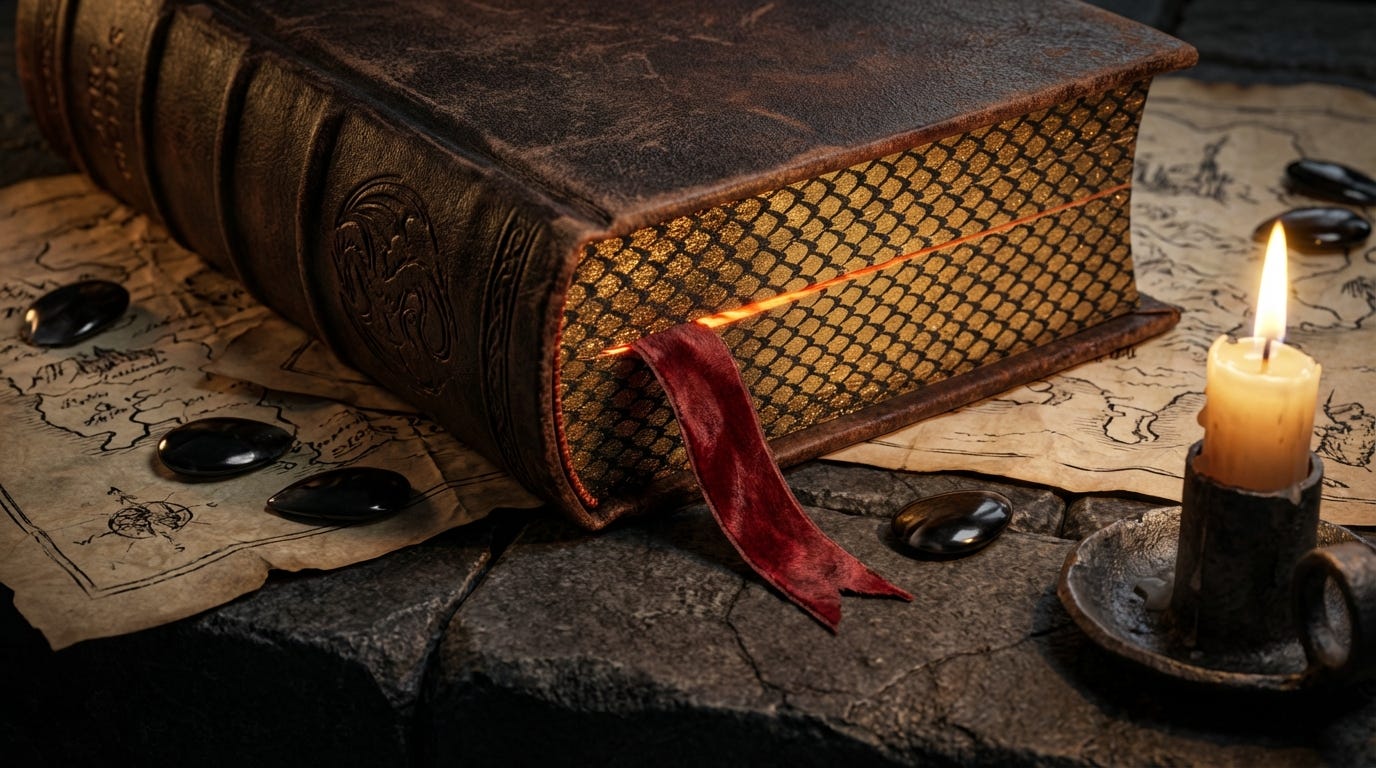
In an era where we’re told digital is king, Yarros proved that for the Romantasy crowd, the book is a physical trophy. It’s a piece of merchandise. Readers didn’t want the story; they wanted the stenciled edges, the ribbon bookmarks, and the “Target Exclusive” endpapers.
The Indie Takeaway: Your “paperback” shouldn’t be a secondary thought. Use services like BookVault or Lulu to create limited, “artifact-level” hardcovers for your superfans. If your book doesn’t look like a piece of art on a shelf, you’re leaving 80% of your revenue on the table.
2. Community Over “Marketing”
The Onyx Storm rollout was essentially a Taylor Swift era for books. Over 1,100 midnight release parties happened. Not because the publisher paid for them, but because being a “Rider” is an identity.
The “Spoiler Industrial Complex” did the heavy lifting. The fear of missing out (FOMO) was weaponized. Fans went on “digital blackouts” to avoid spoilers, which drove everyone to buy and read the book on day one.
The Indie Takeaway: Stop running generic Amazon ads. Start building a “Theory-Crafting” engine. Leave breadcrumbs in your books. Give your fans a name. If they aren’t arguing about your plot twists on Discord, you haven’t built a fandom; you’ve just sold a product.
3. The “White Room” & Modern Vernacular
Critics are tearing Yarros apart for her prose. They hate the “modern vernacular” – characters saying “red flag” or “ghosting” in a high-fantasy setting. They point out the “White Room Syndrome” where settings aren’t described at all.
But the 2.7 million sales tell a different story.
Gen Z and Millennial readers prioritize interiority over world-building. They don’t care about the history of the castle; they care about the “toxic” tension in the bedroom. The modern slang lowers the barrier to entry. It makes the characters feel like friends, not museum exhibits.
The Indie Takeaway: Don’t get bogged down in Tolkien-esque descriptions if your audience wants “vibes.” If you’re writing Romantasy, prioritize the emotional “micro-moments.” Braiding hair is more important than the map of the kingdom.
4. The “Middle Book” Strategy
Onyx Storm is objectively messy. It’s a 600-page “bridge” book. But the aggressive cliffhangers ensure that everyone will be back for Book 4 in 2027. Yarros isn’t writing a self-contained masterpiece; she’s writing a season of prestige TV.
The Indie Takeaway: If you’re writing a series, stop trying to wrap everything up. Use the “Cliffhanger Engine.” Your job isn’t to satisfy the reader; it’s to make them desperate for the next installment.
The “Romantasy” boom isn’t a bubble. It’s a structural change in how humans consume fiction. We are living in a “Polycrisis” era. Readers want the comfort of a “Happy For Now” promised within a high-stakes war.
Stop trying to be literary. Start being visceral.
I saw a very popular book series that didn't conclude in book one. Sure, obvious, but it ended like today's TV series. Hero still struggling. Enemy still chasing. Nothing resolved. Sure, moments began then ended, but it wasn't a satisfying "end" by any stretch. Book two, going back rank sells nearly as well as book 1. Read thru must be 80%-plus. Yes, there are some crabby review, "what a rip off", but the book has 30k reviews at a 4.4. That's great, especially, for an "okay" book. I saw it like you describe--it was season one of an HBO or Apple TV show. You're not "not finishing" the story, you're promising to keep thrilling the reader. Some writers do it so well! Nice post, my friend.