


I’ve spent the last few weeks staring at the wall, trying to figure out why 2026 feels so heavy. It’s not just the workload. It’s the friction. Every story I’m writing right now is about the same thing: finding a way to keep a small fire burning while the world outside decides to liquefy.
I’m moving away from the “survival” tropes of my earlier work. We’re going deeper into what happens after the collapse, when the adrenaline runs out and you’re left with the quiet, terrifying reality of building a future.
In Austin, the future smells like stale musk and wet concrete. I’ve been living in Bastion’s head for weeks now. He’s an orange and white bicolor who views the apocalypse with the same haughty cynicism he used to reserve for an empty food bowl. While the “Wrong-Smelling Ones” own the asphalt, Bastion is leading a grieving woman named Sarah through the High Road – an interlocking canopy of live oaks and high-tech rafters.
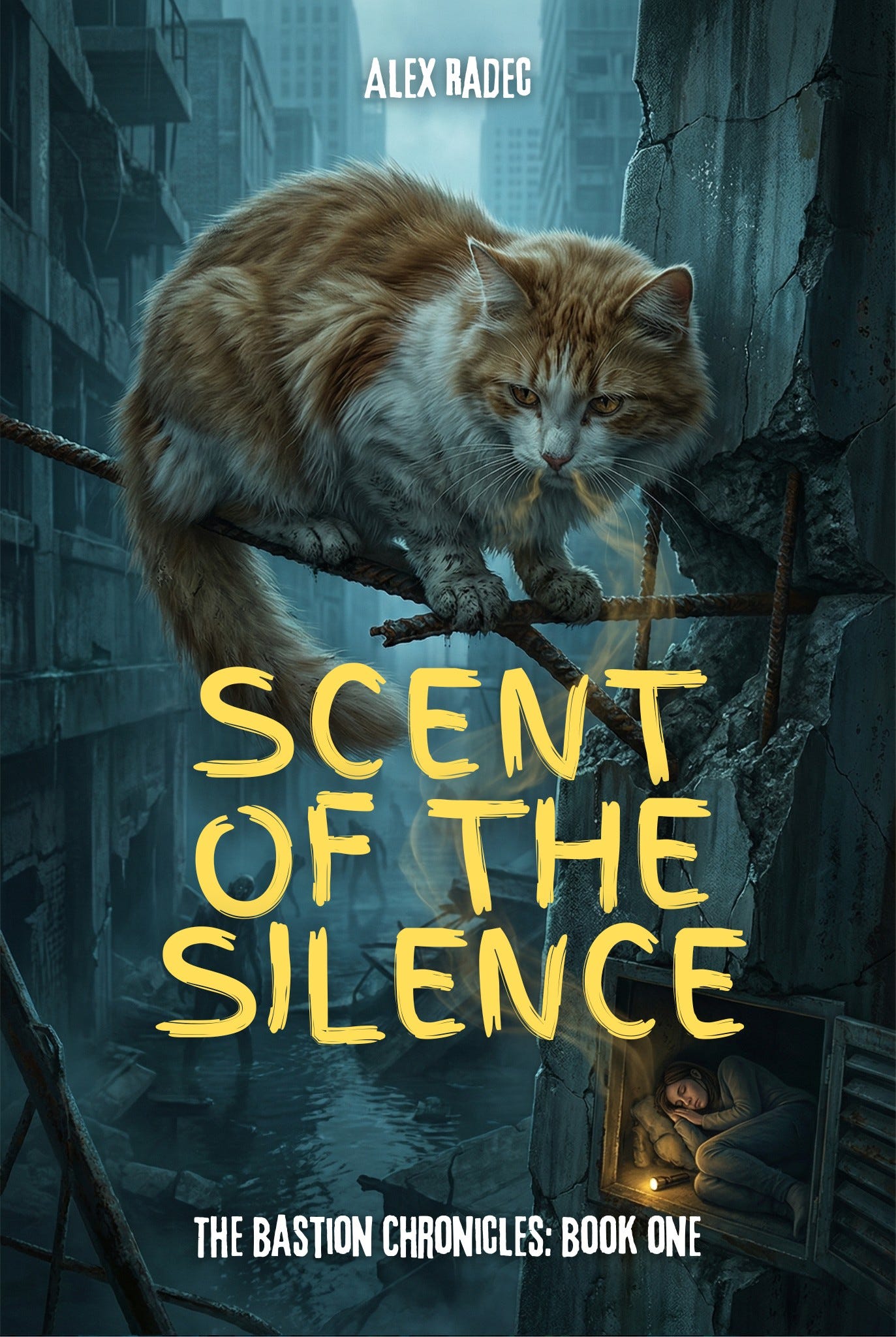
Writing Scent of the Silence has forced me to de-center my own eyes. I’m thinking in 79 kHz and Jacobson’s organs. It’s a story where the silence isn’t empty; it’s a relief from the electronic fog of the old world. But they aren’t alone up there. There’s a feral King on the Congress Avenue Bridge who thinks humans are just fat animals who’ve forgotten how to hunt. Bastion has to decide if he’s a god or a guardian, and honestly, the answer usually depends on who’s opening the next can of salmon.
Then there’s the rot. If the first book of the Marzanna Trilogy was a frozen shield, this sequel is a closed-loop engine. We’re moving into the False Spring. The whites of the winter have been replaced by saturated golds and Southern brass, but it’s all a mask for the damp heat of the Plague Maiden. Zosia is being hollowed out by her winter mantle, and Casimir is vibrating with the black veins of the Void.
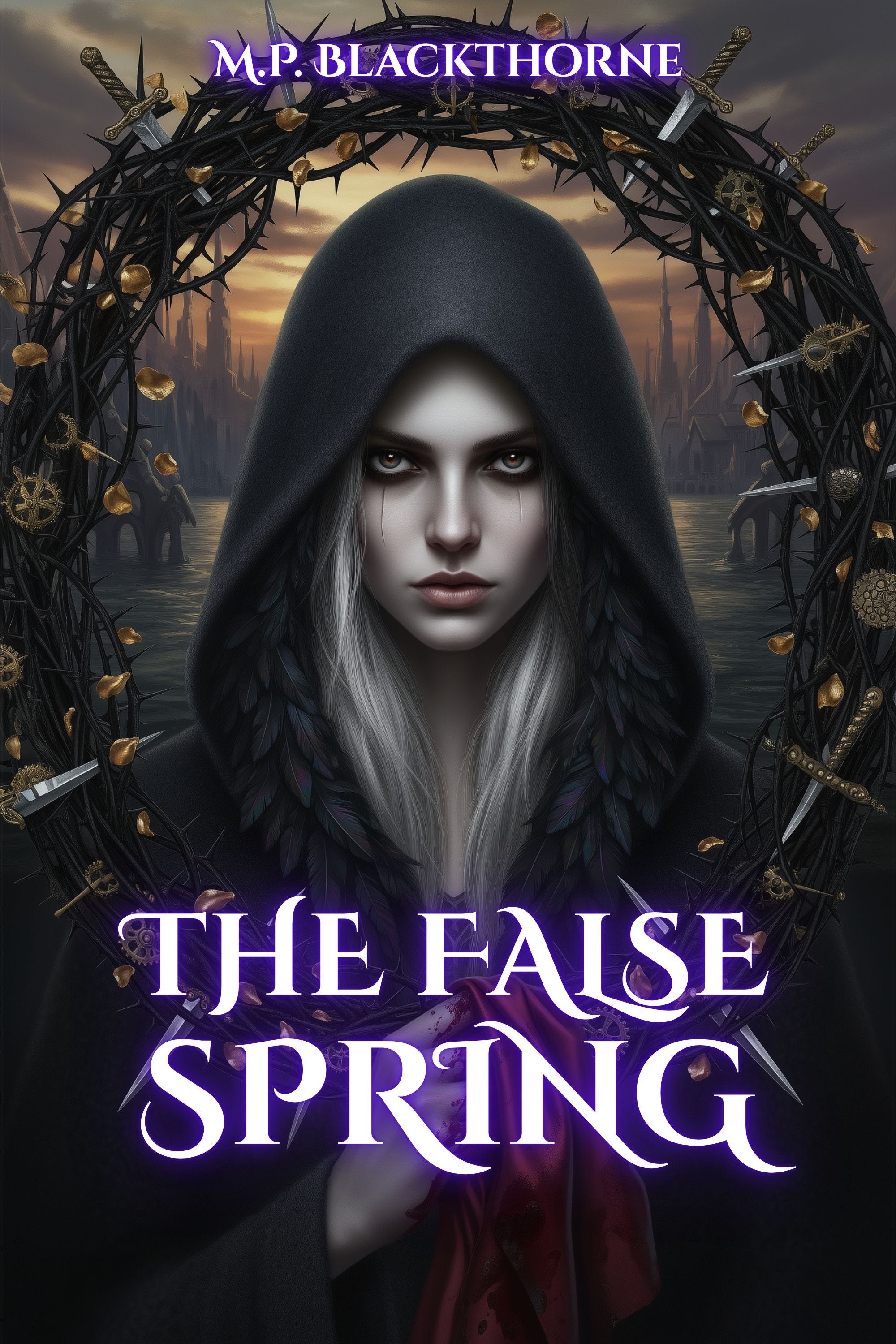
They’re hiding in a sentient, petulant Hut that’s currently going through a “jealousy phase” because Spark, a street orphan, is the only one who knows how to oil its floorboards properly. The core of this book is a selective softness. It’s the realization that their individual poisons – the Winter and the Void – are the only two things that can neutralize each other. They’re siphoning the sickness out of one another just to stay upright. It’s messy, it’s gothic, and it’s deeply competence-driven.
Finally, we’re going back to the cabin. But the “pressure cooker” has changed. In What’s Worth Defending, Alex is eighteen and Diana is forty-five and pregnant. The mindless hordes have evolved into Alphas – thinking, tactical predators that coordinate through low-frequency hums that rattle the windowpanes.
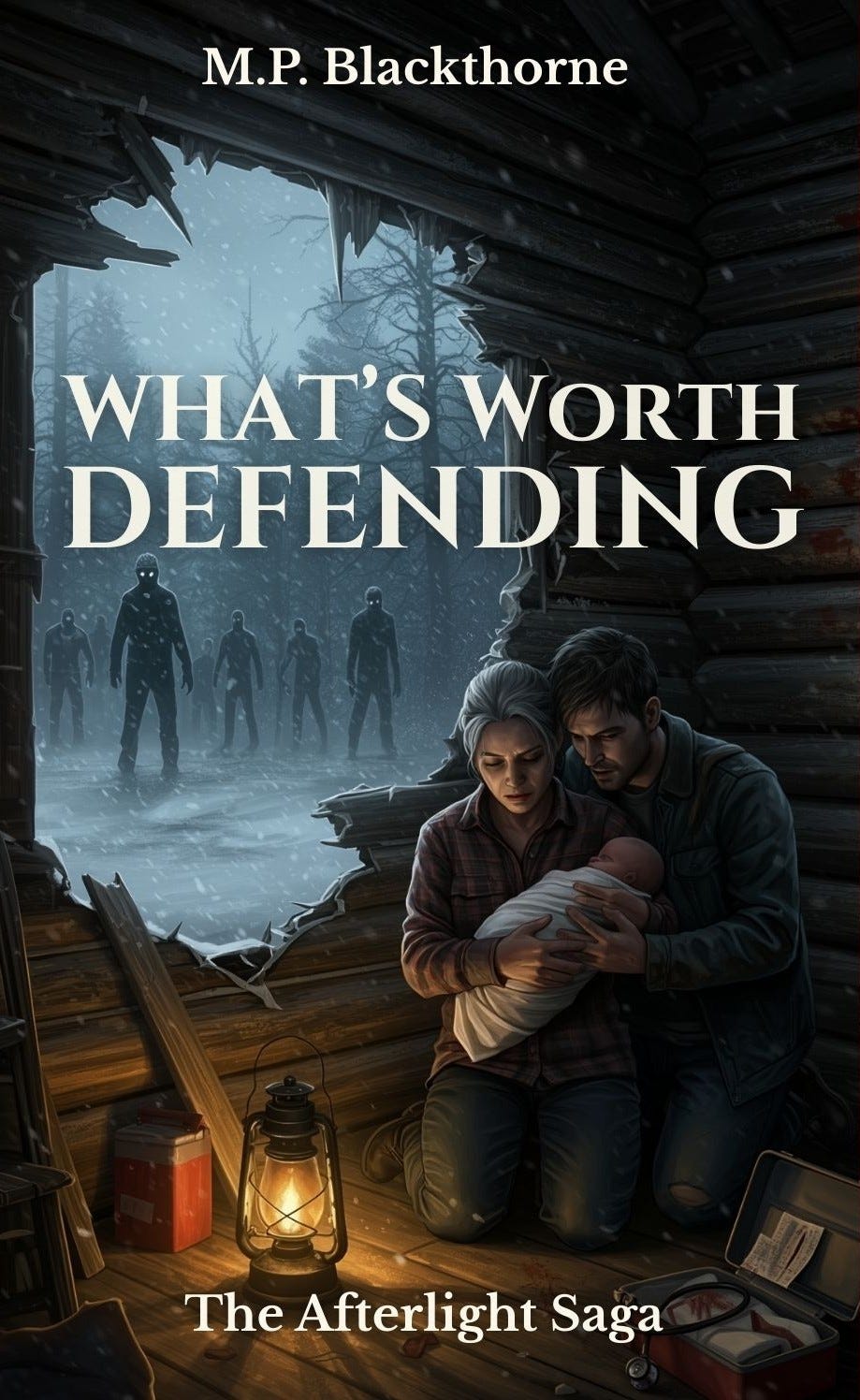
The forest isn’t a sanctuary anymore; it’s an information vacuum. When they pull Tracy, a pre-med student with her own set of scars, into the cabin, the emotional architecture collapses. Diana is grappling with a body she no longer recognizes as a “weapon,” and Alex is desperate for the kind of validation that Tracy provides. It’s a study in strategic paranoia. They have to figure out if true safety is a locked door or a hundred-mile journey toward a community that might not even exist.
2026 isn’t going to be pretty. It’s going to be full of sulfur-spitters, vertical ruins, and sentient houses. I’ll be sharing the feline sensory maps and the tactical sketches for the Alphas as we get closer.
The heat is coming. I’m just trying to make sure we’ve got enough fuel to get through it.
Which world feels like the one you’d want to hide in?