


I used to buy Xboxes for conference rooms.
Back when I was the General Manager for a US-based startup in Poland, building something from scratch felt like breathing. I registered companies, hired the first teams, and actually had a say in where the ship was heading.
Then Google bought us in 2018.
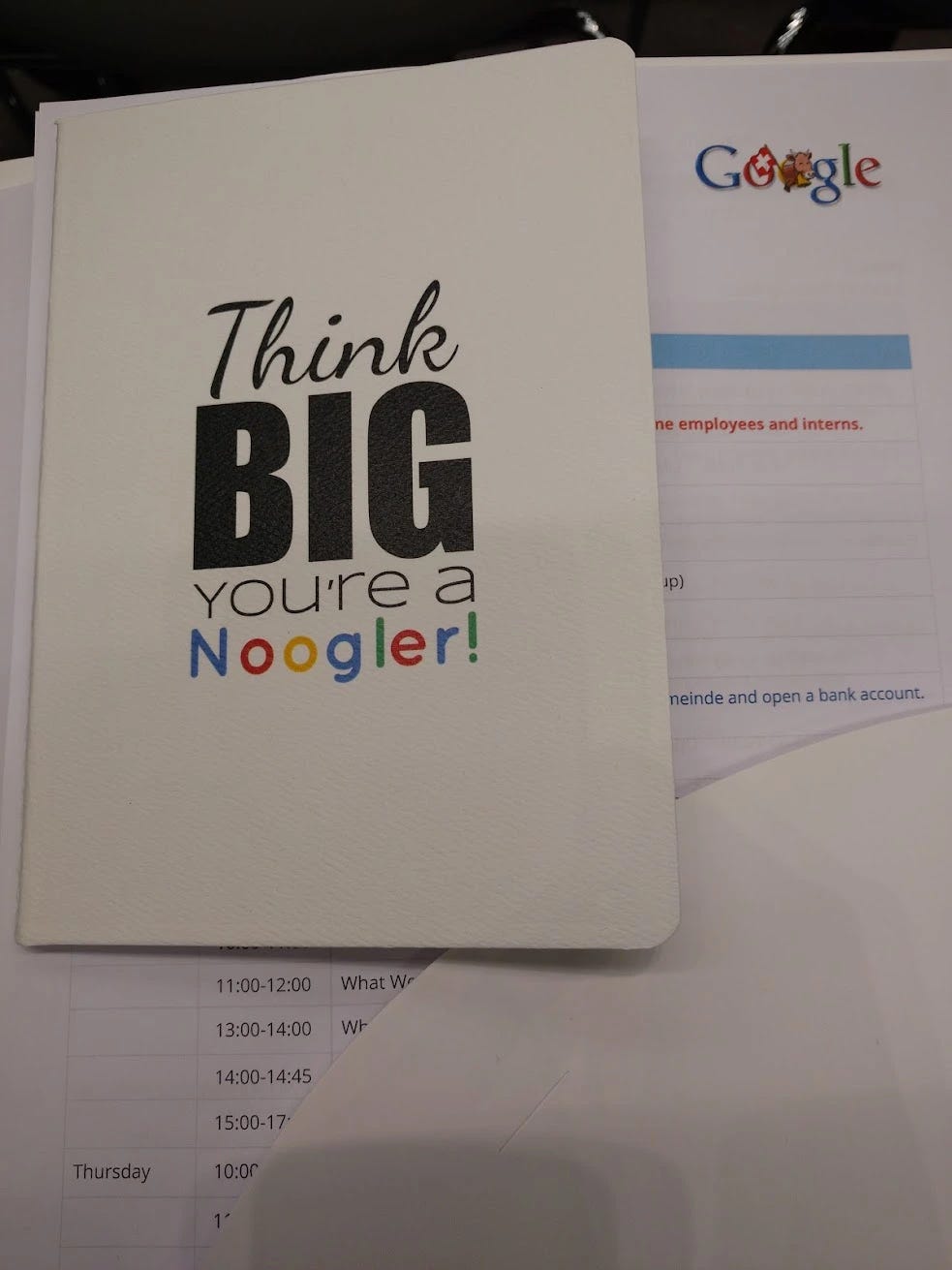
Initially, it was the dream. I moved my family from Poland to California. I was a program manager at one of the most powerful entities on the planet. But the “dream” quickly turned into a high-resolution waiting room.
I became a quiet cog. I learned how to keep my opinions to myself, follow rigid procedures, and produce mountains of useless documents. My entrepreneurial spirit didn’t just fade – it was suffocated by a culture obsessed with political correctness and bureaucracy stifled innovation.
I was in a golden cage. I stayed because of the work visa and the promise of a green card. I was in an abusive relationship with a corporation for the sake of immigration.
Then, the cage door was ripped off.
The $25,000 Eviction
Most people hear “Google layoff” and think of a soft landing. For those of us on visas, it’s a timed explosion.
Google suddenly didn’t love me anymore. My corporate access was revoked in the middle of the night. I got the email, and then I had two months. Two months to pack a life we thought was permanent, and get out of the country.
I had to explain to my 11-year-old daughter why the only home she remembered – Austin, Texas – was no longer ours.

I had to sell my Google stock just to pay the $25,000 bill to move my life back to Europe. We had to find an airline that would take our three cats across the ocean. Two of them had been with us for 18 and 19 years. The stress of the cargo hold broke them. Shortly after we landed back in Poland, their health collapsed. I had to put them to sleep.

That was the actual price of the “Golden Cage.”
The Pivot: Engineering a Way Out
Finding a job back in Europe with “Google” on my resume felt like a curse. Local companies saw the name and assumed I was either too expensive or too “corporate.” Our savings evaporated. My daughter kept asking when we could go home.
I eventually found a new role at a fintech unicorn and started building again. Then, a year later, another layoff. My role was eliminated.
I was done being a hostage to someone else’s “reorg.”
I took the hundreds of ideas I’d kept locked in my head for years and started writing. But I didn’t approach it like a “starving artist.” I approached it like an engineer. I used AI as a structural architect and a data partner. I treated the Amazon algorithm as a system to be decoded, not a god to be worshipped.
In 2025, the “Engineer-Author” experiment produced these results:
8,131 copies sold.
2,059,965 Kindle Unlimited pages read.
A 91% net profit margin.
Why the AI Fiction Lab Exists
Those numbers look clean on a Substack post. They aren’t.
They don’t show the panicked 2:00 AM pivots when a series plummeted. They don’t show the “November Wall” where my royalties bottomed out because the algorithm suddenly treated my military sci-fi like digital radioactive waste.
Most authors are guessing. They react to “gut feelings.” They write blurbs that sound good to them but mean nothing to the AI that controls their visibility.
I built the AI Fiction Lab because relying on a single platform is a hostage situation.
I’m here to show you Narrative Ops. It’s about using high-leverage tools – like the NovelReport or Algorithmic Copywriting – to ensure your human creativity actually reaches a human audience.
I’ve been punched in the face by the corporate machine and the Amazon algorithm. I’m here to show you how to hit back.
Let’s build something they can’t take away.
– Marcin
Wishing you all the best.
Your story breaks my heart. Had to move and leave my friends when I was your daughter’s age. Glad things are looking up for you. Cheers!