


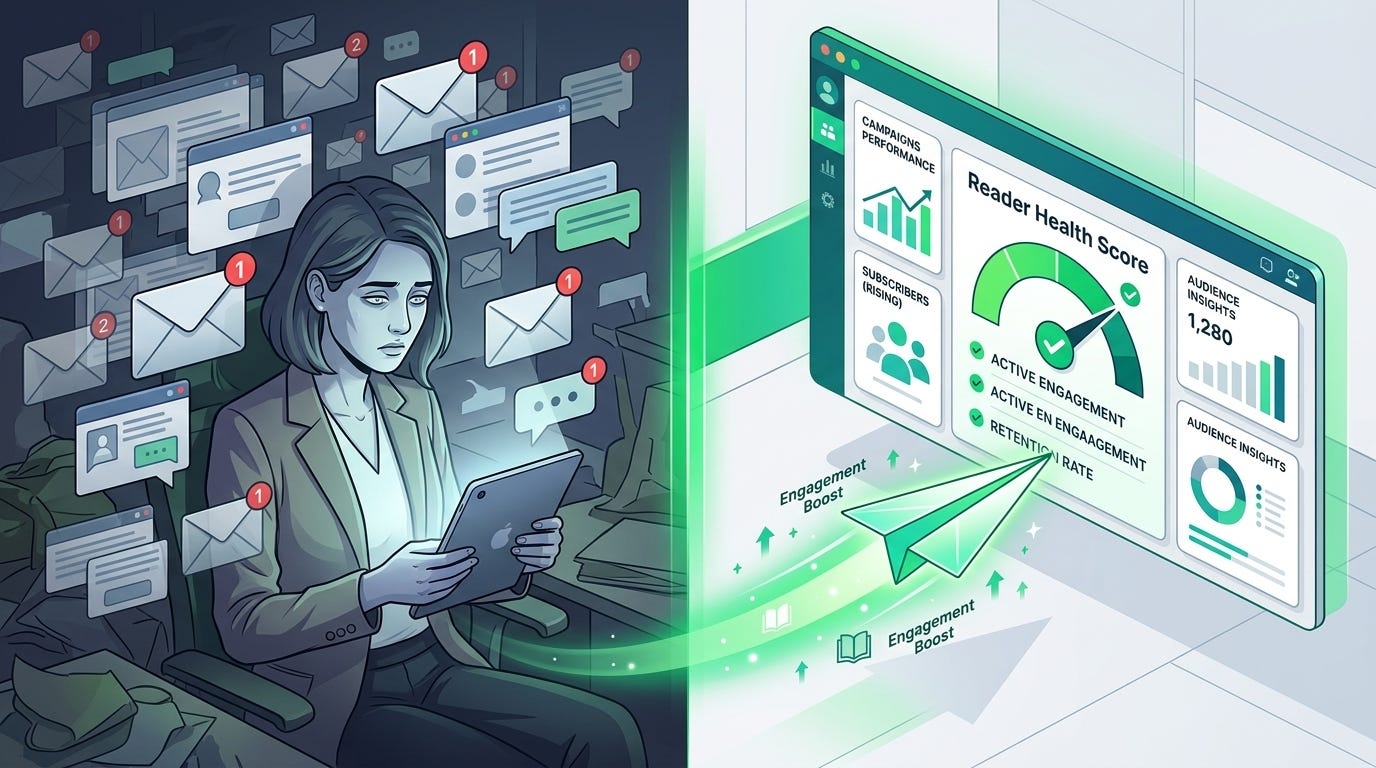
You hit send. Your manuscript is out. Ten trusted beta readers have your draft sitting in their inboxes.
Two weeks later? Crickets. You send a polite follow-up. Seven of them have vanished completely.
The immediate reaction is panic. You assume they hated chapter four. You assume your pacing dragged, the dialogue was wooden, and they were simply too polite to tell you that your career is over.
You’re wrong. The truth is much more boring.
Your beta readers aren’t ghosting you because your book is bad. They are ghosting you because of digital fatigue. Research from 2026 shows that a massive 85% of accidental ghosting cases are entirely driven by this digital burnout. People are drowning in data, generating over a megabyte of it per second. Your manuscript isn’t a disappointment. It is just one more open tab on a mental browser that is about to crash.
Then, the guilt sets in. They meant to read your first act over the weekend, but life got in the way. Now, it’s Wednesday, and they owe you an email.
They won’t send it.
Psychological studies reveal that 45% of surveyed ghosters admit to cutting contact simply to avoid the perceived awkwardness of admitting they fell behind. Ignoring you is a biological defense mechanism. The anxiety and social friction of a delayed response actually trigger the same regions of the brain as physical pain.
If your readership skews younger, the odds are even worse. Gen Z readers and workers are 82% more likely than Gen X to completely dodge emails they know require immediate action. To a twenty-two-year-old reader, a manual follow-up email from an author isn’t a friendly nudge. It’s a formal, overwhelming demand that triggers an immediate freeze response.
You cannot solve a biological freeze response by sending more emails. You have to remove the interpersonal friction entirely.
This is where professionalizing your beta reading process becomes your biggest competitive advantage. Instead of playing hall monitor and sending guilt-inducing check-ins, high-volume indie authors are shifting toward automated engagement loops.
They use weighted health scores to silently track reader engagement. By monitoring a reader’s progress, inline reaction frequency, and recency, you can identify exactly when someone is stalling out.
When a reader’s health score drops, the system takes over. It deploys smart nudges – automated, customizable reminders that trigger after a set number of inactive days.
This small shift changes the entire psychological dynamic. Because the nudge comes from a software platform and not directly from your personal email address, the “awkwardness” factor evaporates. The reader doesn’t feel like they are disappointing a friend; they just feel like they missed a software notification.
If you want to see this architecture in action, the beta-reader management platform authorshaven.io is built specifically around this behavioral science. By utilizing these automated triggers and taking the emotional labor out of the follow-up, platforms like this are helping authors maintain 90% completion rates for their beta phases.
Stop taking ghosting personally. Automate the friction, protect the relationship, and let the software chase down your feedback so you can get back to writing.
Good stuff. I find my beta readers in my town and neighborhood. I ask parents of kids of my audience age if I can give them a few chapters or full alpha draft to go through. I usually give them printed copies so they can make on them. some of their comments are priceless. :)
Does it find beta readers or do I need to find them and send them to the site?